

Blogs
From vision to reality: Delivering a seamless catering mobilisation
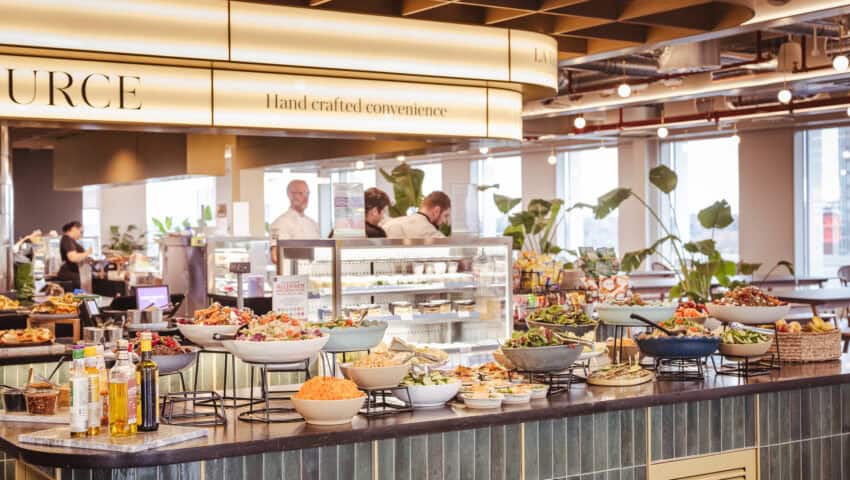
Mobilisation is where a promise becomes reality.
When an organisation appoints a new catering partner, there is a lot riding on that decision. New teams, new processes and new expectations all come together at once. My role is to ensure the transition feels calm, well-managed and positive from the very beginning, creating a strong foundation for a successful long-term partnership.
At its heart, mobilisation is about people. It’s about understanding why a client has chosen to make a change, what they want to achieve and how we can support them through that journey with clarity and confidence.
Turning a vision into a working service
Mobilisation begins as soon as a contract is awarded – and often even earlier.
Because I am involved in the sales process, I already understand the vision that has been presented and the commitments that have been made. Once the contract is secured, a dedicated internal team comes together to ensure a seamless handover from sales to operations, keeping everyone aligned from day one.
One of the first milestones is the kick-off meeting. This structured conversation brings the proposal to life, confirms priorities and establishes clear timelines. More importantly, it gives clients confidence that there is a robust plan in place and a team ready to deliver it.
Communication creates confidence
Strong communication is one of the most important elements of a successful mobilisation.
Not every organisation wants immediate transformation, and not every change needs to happen on day one. Part of my role is understanding what the client wants from the transition and shaping the mobilisation programme around those priorities.
By identifying key stakeholders early and agreeing decision-making processes from the outset, we can keep projects moving smoothly and avoid unnecessary complexity.
While mobilisation is detailed and highly structured behind the scenes, clients don’t need to see every task being completed. Instead, they need clear updates, visible progress and confidence that everything is on track.
Planning the details
Successful mobilisations are built on thorough preparation.
Long before a contract is awarded, a detailed mobilisation plan is created based on the commitments made during the tender process. Once the partnership begins, that plan is refined to reflect the client’s specific priorities and requirements.
Regular mobilisation meetings maintain momentum throughout the project, typically taking place weekly and increasing in frequency as launch approaches. These sessions focus on progress, key decisions and readiness, ensuring everyone remains aligned.
The objective is simple: manage the detail so clients can focus on their wider responsibilities, knowing the transition is being handled professionally and proactively.
Preparing for the unexpected
-
No mobilisation is entirely without challenges.
-
Deliveries can be delayed. Timelines can shift. Unforeseen issues can arise.
-
What matters is preparation
With a clear plan, experienced teams and the right people involved, it’s possible to adapt quickly when circumstances change. The success of a mobilisation doesn’t come from everything going perfectly; it comes from anticipating risks, remaining flexible and responding effectively when challenges emerge.
Supporting people through change
Many mobilisations involve the transfer of an existing team, making people a central part of the process.
For most clients, ensuring employees feel supported throughout a transition is a top priority, and rightly so. This stage requires care, sensitivity and clear communication.
Early engagement sessions provide an opportunity for teams to meet new colleagues, ask questions and gain a better understanding of what lies ahead. These conversations help reduce uncertainty and create a sense of reassurance during a period of change.
As launch day approaches, training, inductions and team-building activities help people feel welcomed, supported and confident in the new environment from day one.
Why time matters
While contracts can be mobilised quickly when required, time is always a valuable asset.
A longer mobilisation period creates opportunities to build trust, strengthen relationships and fully embed a service. It allows for meaningful conversations, considered decision-making and a smoother overall transition.
I often describe mobilisation as the beginning of a relationship. The more time invested in building strong foundations, the stronger that partnership becomes in the future.
Building trust from day one
Ultimately, mobilisation is about trust.
Clients need to feel confident they have made the right decision. Teams need to know they are being supported. Customers need a positive experience from the very first service.
Trust is earned through transparency, preparation and delivery. From the outset, expectations should be clear, responsibilities understood and communication open.
When those foundations are in place, mobilisation becomes more than a transition. It becomes the start of a successful partnership built to last.
More stories from our blog

How winning the BM Barista Championship took Calvin to Brazil
Planting his own coffee tree on a farm in Brazil wasn’t something Calvin ever thought he’d get the chance to

5 Food trends shaping workplace dining this Autumn
October brings a familiar wave of pumpkin spice and crumbles, but this year, the trends shaping food and beverage go

Meet the Directors: welcoming new team members to BM
Starting a new job is exciting, but it can also feel a little daunting. That is why every new BM

Whole foods, UPFs and the missing nuance
Recent discussions on social media have put ultra-processed foods (UPFs) firmly in the spotlight, with many linking them to a