

Blogs
Energising workplaces in a hybrid world: People, service and sustainable change
As hybrid working becomes the norm, organisations are rethinking how their workplaces support productivity, wellbeing and connection. The question many businesses are now asking is simple but powerful: what makes people want to come into the office?
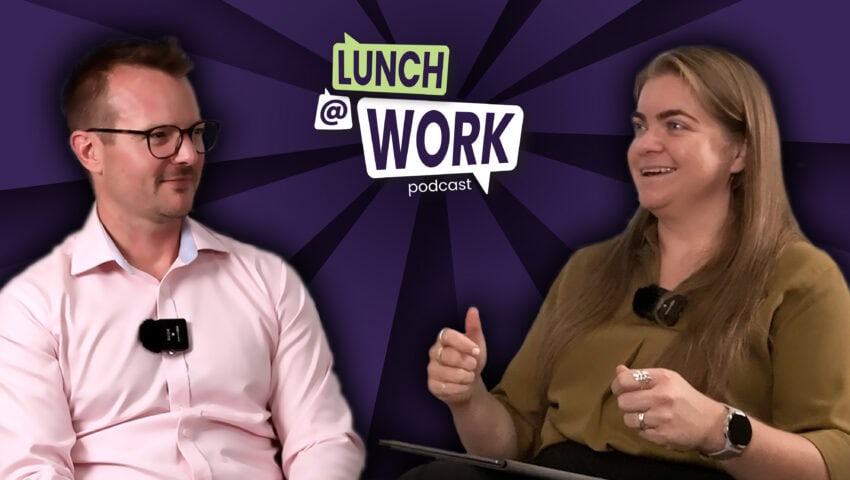
In the first episode of Season 2 of the Lunch at Work podcast, we spoke with Thomas Moore, Head of Front of House, about what it really takes to energise workplaces — through people-first service, strong partnerships, sustainability initiatives and thoughtful use of technology.
A people-first workplace experience
With a background in hotel operations and hospitality, Thomas brings a service-led mindset to corporate workplace services. He oversees front-of-house delivery across a busy, multi-service environment — including reception teams, workplace catering and hospitality, office services, floor support and behind-the-scenes logistics.
At the heart of his approach is a simple belief:
When you take care of people, everything else follows.
Putting colleagues first leads to better client experience, stronger engagement and ultimately more sustainable business performance — a philosophy that aligns closely with how we think about workplace catering and hospitality at BM.
Consistency with flexibility: globally aligned, locally delivered
In multi-site organisations, workplace services must balance consistency with local relevance. Thomas describes the importance of working to clear standards while leaving room for cultural and location-specific differences.
This “globally aligned, locally delivered” approach ensures workplace services feel consistent across locations, but never generic. It also helps teams tailor the service experience so people feel seen, supported and welcomed, wherever they work.
Hybrid working and the need to earn the commute
Hybrid working has changed expectations of the workplace. Employees are no longer required to attend five days a week, they choose to.
That means organisations need to earn the commute.
Straight after the pandemic, many workplaces tried incentives like free breakfast or free lunch. But as Thomas highlights, the conversation is shifting. It’s less about quick wins, and more about what people genuinely value when they come into the office:
-
A productive environment that supports focused work
-
Meaningful collaboration and connection
-
High-quality workplace catering and hospitality
-
Great service that removes friction from the day
It’s about creating a workplace experience that offers real value, not just a change of scenery.
Collecting feedback to improve workplace services
In service-led workplaces, feedback is essential. Thomas explained that one of the biggest early opportunities was implementing a consistent way to gather and act on feedback across all departments.
With QR codes, email links and a structured tracker, feedback is captured, reported and used to improve what matters most, the “little things” that shape day-to-day experience.
The benefits are clear:
-
Teams can spot what’s working and repeat it
-
Issues can be resolved quickly and visibly
-
Services can evolve based on real colleague needs
Feedback doesn’t just measure satisfaction — it creates momentum.
Sustainability in workplace catering and facilities
Sustainability is increasingly central to workplace strategy, and meaningful progress often comes from practical operational changes.
Thomas shared a range of initiatives designed to reduce waste and landfill impact, particularly within workplace catering and front-of-house operations:
-
A reusable borrowing system for coffee cups and takeaway containers
-
Pricing that discourages disposables and supports reusables
-
Significant reductions in single-use takeaway packaging
-
A digital mail project to reduce paper movement and storage
-
Carbon-neutral, sustainably sourced printer paper
-
Sustainable stationery linked to tree planting or carbon offsetting
-
Replacing plastic umbrella bags with reusable drying options
It’s a strong example of how sustainability isn’t about big campaigns — it’s about improving everyday systems and behaviours at scale.
Technology, AI and the future of workplace services
Technology continues to shape workplace operations, particularly around data and reporting. Thomas sees potential for AI to simplify data gathering and improve insights — with confidentiality remaining a top priority.
Self-service tools can support convenience, but the human welcome remains central. The future is likely to be a blend — with some services becoming more automated, while others double down on human connection.
Developing people, not accepting the status quo
High-quality workplace experience depends on engaged, motivated teams. Development matters — whether through training, on-the-job learning or opportunities that stretch skills and confidence.
The mindset is simple: if we always do what we’ve always done, we’ll always get what we’ve always got.
Not everyone wants progression — and that’s okay. Some people want stability and to do their role brilliantly. Great workplace services make space for both.
Where to start when improving workplace services
For organisations looking to improve facilities management, front-of-house delivery or workplace catering, Thomas’ advice is clear:
-
Understand what the business wants to achieve
-
Listen to feedback — even when it’s tough
-
Be open to specialist expertise and partnership
-
Trust the process once you choose a service partner
When organisations work with subject matter experts, they gain clarity, capability and momentum — helping deliver better workplace experiences for colleagues, visitors and clients.
More stories from our blog

Wines to celebrate the start of Spring
April marks a welcome shift in the seasons. The days grow longer, the first real warmth returns, and dining naturally
Developing the next generation of chefs with Westminster Catering College
One of the most rewarding parts of working for BM Caterers — and in contract catering — isn’t just the
Supporting opportunity through work experience with Luminary
Hospitality has always been an industry built around people. Kitchens bring together individuals from different backgrounds, experiences and cultures, all
Why ethical supply chains matter in modern contract catering
As chefs, we often focus on developing dishes and menus, but investing time in people — and where our food