

Blogs
Festive food without the guilt
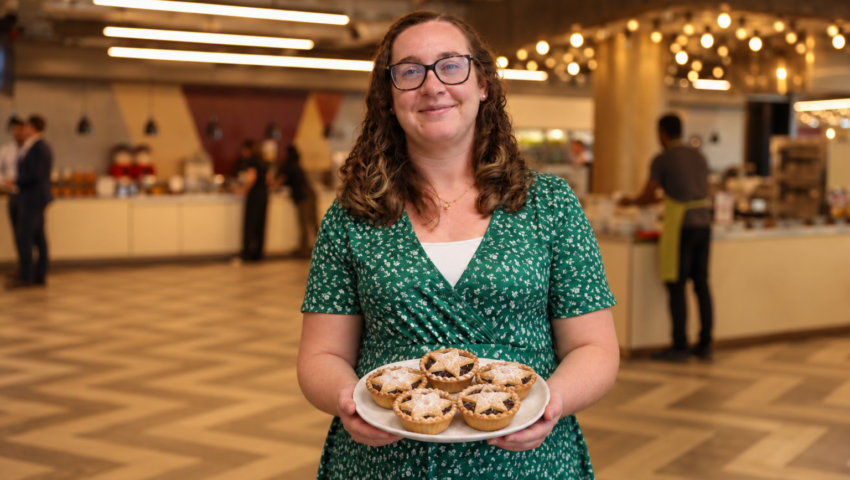
December is a month full of food traditions. From mince pies and Christmas dinners to festive buffets and cosy evenings with family and friends, food sits at the heart of many of our celebrations.
It’s also a time when we’re often told we’re either “being good” or “being naughty” with our food choices. But as a nutritionist, I’d encourage a different approach. Healthy eating doesn’t stop in December, and enjoying festive foods doesn’t mean you’ve failed.
The key is finding a balance that allows you to celebrate while still supporting your health and wellbeing.
The festive foods that support your health
Christmas isn’t just about chocolates and biscuits. Many traditional festive foods provide valuable nutrients too.
Satsumas, clementines and oranges provide vitamin C and fibre, helping to support immune health during the winter months. Roasted carrots, parsnips and Brussels sprouts provide fibre, vitamins and antioxidants that contribute to digestive health and overall wellbeing.
Nuts are another festive staple that deserve more attention. A handful of walnuts, almonds or mixed nuts provides healthy fats, protein and fibre, helping to keep you satisfied between meals. They’re a delicious addition to snack boards and buffets.
Even festive favourites can make a positive contribution. Turkey is an excellent source of protein, smoked salmon provides beneficial omega-3 fats, and cranberry sauce can add flavour without needing large portions.
Rather than focusing on what to avoid, try thinking about what you can add to your plate. Filling half your plate with vegetables, including a source of protein and enjoying your favourite festive foods alongside them can help create a naturally balanced meal.
Simple christmas sood Swaps
Christmas is a time to enjoy food, not to completely change how you eat. However, small swaps can help you enjoy festive treats while adding extra nutrition.
Try these festive swaps:
-
Swap crisps for a handful of mixed nuts or roasted nuts for more protein, fibre and healthy fats.
-
Swap creamy dips for hummus, tzatziki or salsa alongside crunchy vegetable sticks.
-
Choose cheese and wholegrain crackers rather than highly processed snack foods to provide more protein and keep you fuller for longer.
-
Add fruit such as satsumas, grapes, berries or pomegranate to grazing boards to increase fibre and colour.
-
Choose dark chocolate alongside festive sweets for a richer flavour that often satisfies with a smaller portion.
-
If having a dessert, balance it with fresh fruit rather than feeling you need to skip it altogether.
-
Alternate alcoholic drinks with water or sparkling water to help stay hydrated throughout celebrations.
These aren’t rules. They’re simply ideas that can help you feel your best while still enjoying the foods you love.
Health is about more than what's on your plate
While nutrition plays an important role in health, it’s only one piece of the puzzle.
Sharing meals with loved ones, catching up with friends, celebrating successes and taking time to rest all contribute to wellbeing. The festive season offers opportunities for connection, laughter and making memories, which are just as important as the nutrients on your plate.
Enjoying Christmas dinner with family or sharing a mince pie with a colleague isn’t something to feel guilty about. Food is about nourishment, but it’s also about culture, connection and celebration.
Focus on consistency, not perfection
One of the biggest mistakes people make at Christmas is adopting an all-or-nothing mindset.
A few festive meals won’t undo months of healthy habits, just as one healthy meal won’t transform your health overnight. What matters most is what you do consistently over time.
Try to maintain simple habits throughout December:
-
Eat regular meals where possible.
-
Include vegetables and fruit each day.
-
Stay hydrated.
-
Keep active in ways you enjoy, whether that’s a winter walk, a family outing or a gym session.
-
Prioritise sleep where you can.
Small habits often have a bigger impact than dramatic short-term changes.
Looking ahead to the New Year
The start of a new year can be a great opportunity to set new goals and refresh your routine. However, January doesn’t need to be a month of punishment for enjoying December.
A healthy lifestyle should make room for Christmas dinners, birthday celebrations, holidays and special occasions. The most sustainable habits are the ones that fit alongside real life.
This festive season, enjoy the foods you love, make the most of seasonal produce, and remember that healthy eating isn’t about perfection.
Christmas top tip
Aim to add rather than restrict. Add an extra portion of vegetables to your Christmas dinner, add fruit to your festive grazing board, add protein-rich snacks such as nuts or cheese, and add plenty of water throughout the day. These simple additions can help naturally create balance without feeling like you’re missing out.
Wishing you a happy, healthy and delicious Christmas. 🎄✨
More stories from our blog
5 Winter Food Trends Shaping Workplace Dining
Winter food is comfort food. However, this year it feels like ‘comfort’ is getting a even more interesting. Across the

A chocolate soufflé worth making room for
At our latest pastry masterclass, our chefs spent the day with Kelly Cullen, Pastry Chef at Cornus, getting to grips

Serving the right coffee, in the right location, to the right people
Surprisingly, coffee is often treated as a box-ticking exercise, particularly in workplace and hospitality settings. Significant time is spent designing

The Sustainability Equation: Why Long-Term Value Beats Short-Term Cost
There is no doubt that sustainability is a concern for businesses in the 21st centaury, however, the view that sustainable solutions