

Blogs
The electrolyte boom: Essential or just well marketed?
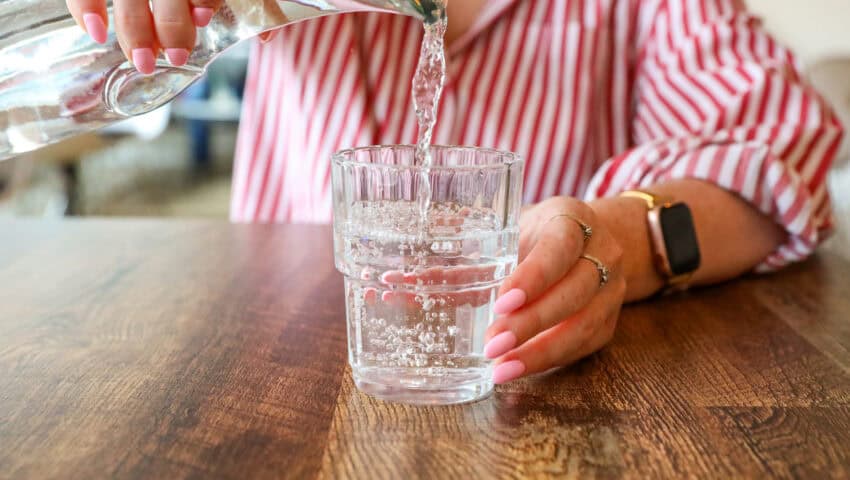
As the temperatures climb and summer gets into full swing, so too does the conversation around hydration. From electrolyte powders and dissolvable tablets to colourful ready-to-drink beverages, electrolyte products are everywhere.
Once reserved primarily for endurance athletes, they have rapidly become part of the mainstream wellness market. Social media influencers, fitness enthusiasts and health brands regularly promote them as a simple way to improve hydration, boost energy levels and support overall wellbeing.
But with electrolyte drinks now being marketed to almost everyone, it’s worth asking an important question:
Have electrolytes become a genuine health essential, or has the marketing simply outpaced the science?
Why are electrolyte drinks suddenly everywhere?
Electrolytes have become one of the biggest health and wellness trends of recent years. Whether you’re scrolling through Instagram, listening to a wellbeing podcast or browsing supermarket shelves, you’re likely to encounter products claiming to:
-
Improve hydration
-
Combat fatigue
-
Enhance recovery
-
Increase energy
-
Support overall health
The appeal is understandable. Many people feel tired, busy and stretched, and a convenient drink that promises to help sounds attractive.
However, popularity doesn’t automatically equal necessity.
When a product starts being promoted as a solution for almost everyone, it’s worth taking a step back and asking whether the average healthy person actually needs it.
Your body is already doing the hard work
Understanding homeostasis
Electrolytes are minerals that carry an electrical charge. The key electrolytes found in the body include:
-
Sodium
-
Potassium
-
Magnesium
-
Calcium
These minerals play essential roles in:
-
Maintaining fluid balance
-
Supporting nerve signalling
-
Enabling muscle contraction
-
Regulating blood pressure and cellular function
The good news is that the human body is remarkably efficient at managing electrolyte levels on its own.
Through a process known as homeostasis, our kidneys and hormones constantly monitor and regulate fluid and mineral balance. They adjust according to our needs, helping to maintain stable levels throughout the day.
For most healthy adults, this system works exceptionally well without the need for daily supplementation.
In fact, one of the most commonly added electrolytes in sports drinks and supplements – sodium – is already consumed in excess by many people in Western countries. While sodium is lost through sweat, the average person carrying out normal daily activities is unlikely to lose enough to warrant routine replacement through specialised electrolyte products.
The energy myth
Does low energy mean you need electrolytes?
Many electrolyte products are marketed with promises of increased energy and improved performance. While this can sound appealing, the reality is often more complex.
Low energy levels are rarely caused by a lack of electrolytes alone.
Fatigue is usually influenced by multiple lifestyle factors, including:
-
Not eating enough throughout the day
-
Inadequate hydration
-
Poor sleep quality
-
High stress levels
-
Limited physical activity
-
A diet heavily reliant on ultra-processed foods
Before assuming an electrolyte supplement is the answer, it’s worth reflecting on the foundations of daily health.
Ask yourself:
-
Am I eating regular, balanced meals?
-
Am I drinking enough water?
-
Am I getting sufficient sleep?
-
Am I managing stress effectively?
-
Am I moving my body regularly?
For the average person, it’s often difficult to identify where electrolytes fit into the picture as the primary solution.
If you are consistently feeling fatigued despite eating well, staying hydrated and getting enough rest, it may be more beneficial to speak with a healthcare professional than to automatically reach for another supplement.
When electrolytes do have a genuine place
None of this means electrolytes are unimportant.
Far from it.
There are situations where replacing electrolytes can be highly beneficial and, in some cases, necessary.
Additional electrolyte replacement may be appropriate for:
-
Endurance athletes
-
Hot weather and heavy sweating
-
Gastrointestinal illness
-
Certain medical conditions
These are situations where electrolyte supplementation can provide real value. However, they remain the exception rather than the everyday rule.
Can you get electrolytes from food?
Absolutely.
For most people, everyday foods provide all the electrolytes the body needs.
Potassium
-
Bananas
-
Potatoes
-
Tomatoes
-
Beans
Magnesium
-
Nuts
-
Seeds
-
Leafy green vegetables
Calcium
-
Milk
-
Yoghurt
-
Fortified dairy alternatives
Sodium
-
Bread
-
Cheese
-
Olives
A balanced diet, combined with adequate fluid intake, will generally provide enough electrolytes to support normal body function without the need for additional products.
Simple ways to stay hydrated naturally
For most people, staying well hydrated doesn’t require specialist drinks or supplements. Small daily habits can be just as effective.
-
Start the day with water after several hours without fluid overnight.
-
Eat water-rich foods such as cucumber, watermelon, strawberries, tomatoes, lettuce and oranges.
-
Keep a reusable water bottle nearby to encourage regular drinking.
-
Flavour water naturally with lemon, lime, cucumber, mint or berries.
-
Drink consistently throughout the day rather than trying to catch up later.
-
Check your urine colour – pale straw is generally a good sign of hydration.
-
Remember that tea, coffee and milk all contribute to daily fluid intake.
-
Increase fluids during hot weather or periods of increased activity.
Before turning to electrolyte powders and hydration sachets, it’s worth remembering that for most people, hydration starts with simple habits: drinking water regularly, eating a balanced diet and paying attention to the body’s natural signals. Often, these basics are all that’s needed to stay well hydrated and feel your best.
The verdict: Essential or just well marketed?
Electrolytes are undoubtedly important. They play a vital role in hydration, muscle function and overall health.
However, the growing popularity of electrolyte products has arguably blurred the line between genuine need and clever marketing.
While electrolyte supplements can be extremely useful in specific situations – such as endurance sport, extreme heat or illness – they are not a universal solution for low energy, poor hydration or everyday wellbeing.
For most healthy people, the foundations of good health remain surprisingly simple:
-
Eat a balanced diet
-
Drink enough water
-
Prioritise quality sleep
-
Stay active
-
Manage stress
Sometimes the answer isn’t another supplement or wellness trend. Sometimes it’s simply getting the basics right.
And when it comes to hydration, your body is often doing a far better job than the marketing would have you believe.
At BM Caterers, we believe good nutrition starts with evidence-based choices, not wellness hype. By focusing on balanced meals, quality ingredients and practical healthy habits, we can support wellbeing in a way that’s both sustainable and realistic.
More stories from our blog

How winning the BM Barista Championship took Calvin to Brazil
Planting his own coffee tree on a farm in Brazil wasn’t something Calvin ever thought he’d get the chance to

5 Food trends shaping workplace dining this Autumn
October brings a familiar wave of pumpkin spice and crumbles, but this year, the trends shaping food and beverage go

Meet the Directors: welcoming new team members to BM
Starting a new job is exciting, but it can also feel a little daunting. That is why every new BM

Whole foods, UPFs and the missing nuance
Recent discussions on social media have put ultra-processed foods (UPFs) firmly in the spotlight, with many linking them to a