

Blogs
The Mediterranean diet has outlived every wellness trend
Low-carb. High-protein. Sugar-free
Nutrition trends move fast. The Mediterranean diet doesn’t.
And yet, despite being one of the least dramatic approaches to eating, it continues to remain quietly relevant while newer, louder wellness trends come and go.
No detox teas. No extremes. No eliminating entire food groups because of the latest headline or podcast debate.
Just food that has looked remarkably similar for generations: olive oil, beans, fish, vegetables, grains, herbs, yoghurt and bread.
Which raises the question: why has this way of eating stayed with us for so long?
What Is the Mediterranean Diet?
Despite the name, it’s not really a strict “diet” at all.
It’s a pattern of eating traditionally seen in countries surrounding the Mediterranean Sea, including Greece, Italy and parts of Spain. At its core, it focuses on simple, balanced ingredients:
-
Vegetables
-
Legumes and beans
-
Wholegrains
-
Olive oil
-
Nuts and seeds
-
Fish and seafood
-
Fresh herbs and seasonal produce
There’s no sense of perfection or restriction. Instead, it’s about balance, variety and building meals from ingredients that feel both nourishing and familiar.
It also places value on something often overlooked: taking time to eat. Meals aren’t just functional; they’re something to be enjoyed.
Not Trendy – and That’s the Point
One of the reasons the Mediterranean diet continues to resonate is because it avoids the extremes that make many modern nutrition trends difficult to sustain.
It’s flexible. Social. Realistic.
There’s room for pasta. Bread. Dessert. Eating out. Eating together.
In a culture where food is often framed around rules, this kind of flexibility feels refreshing and, increasingly, necessary.
Interestingly, many of the foods linked to Mediterranean eating are also at the centre of more recent conversations around gut health and wellbeing:
-
Beans and lentils
-
Fibre-rich plant foods
-
Olive oil
-
Fermented dairy such as yoghurt
What we’re seeing now isn’t entirely new. It’s a rediscovery of long-standing, balanced ways of eating.
Why it still matters now
Part of the Mediterranean diet’s renewed attention comes from a growing fatigue with all-or-nothing wellness culture.
As conversations shift towards long-term health, including gut health, blood sugar balance and overall wellbeing, there’s a greater appreciation for approaches that are sustainable over time.
The Mediterranean diet offers exactly that.
It’s supported by decades of research and is often associated with benefits ranging from heart health to cognitive wellbeing, without requiring people to track every ingredient or follow rigid rules.
It may not be the most attention-grabbing approach, but that’s arguably part of its strength.
It’s also about how we eat
Perhaps one of the most important, and often overlooked, aspects of Mediterranean eating is the culture that surrounds it.
It’s not just about what’s on the plate.
It’s about how meals are experienced.
In many Mediterranean cultures, food represents:
-
Connection
-
Conversation
-
A pause in the day
-
A moment of enjoyment
Something that feels increasingly relevant in a world where lunch is often eaten quickly, between meetings or in front of a screen.
In that sense, the Mediterranean way of eating feels surprisingly modern, not because it’s new, but because it encourages us to slow down.
What it can look like in practice
Of course, not everyone is eating lunch seaside in southern Europe.
But Mediterranean-inspired eating doesn’t need to be complicated. In everyday settings, it can look like:
-
Adding beans or lentils into meals more regularly
-
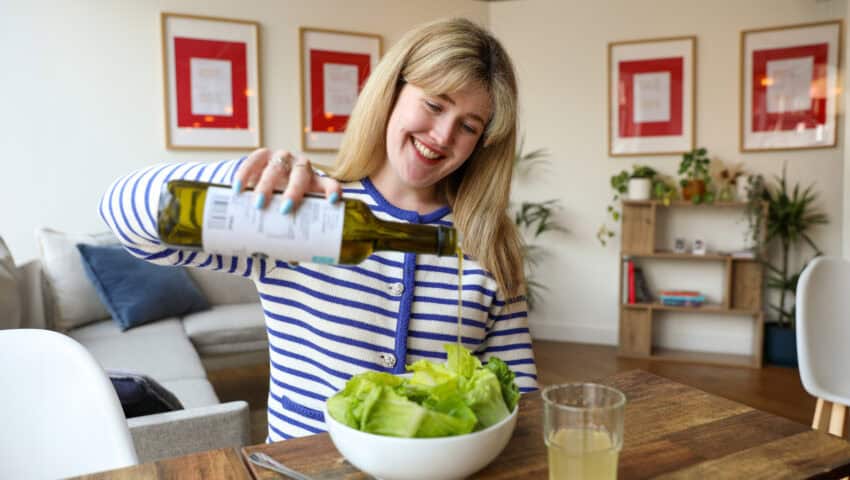
Using olive oil-based dressings
-
Building meals around vegetables and grains
-
Including more nuts, seeds and legumes
-
Bringing more variety into the week
-
Creating meals that feel satisfying and well-balanced
It’s less about following rules, and more about shaping a flexible, consistent pattern.
Food for thought
The Mediterranean diet has outlived decades of changing nutrition trends for a simple reason: it was never designed as a trend in the first place.
It’s not about chasing the “perfect” way to eat.
It’s about creating something sustainable. Something enjoyable. Something that works in real life.
And perhaps that’s why, even now, it continues to feel relevant.
More stories from our blog

How winning the BM Barista Championship took Calvin to Brazil
Planting his own coffee tree on a farm in Brazil wasn’t something Calvin ever thought he’d get the chance to
5 Food trends shaping workplace dining this Autumn
October brings a familiar wave of pumpkin spice and crumbles, but this year, the trends shaping food and beverage go

Meet the Directors: welcoming new team members to BM
Starting a new job is exciting, but it can also feel a little daunting. That is why every new BM

Whole foods, UPFs and the missing nuance
Recent discussions on social media have put ultra-processed foods (UPFs) firmly in the spotlight, with many linking them to a