

Blogs
From classroom to cellar: BM’s top WSET performers explore Rioja
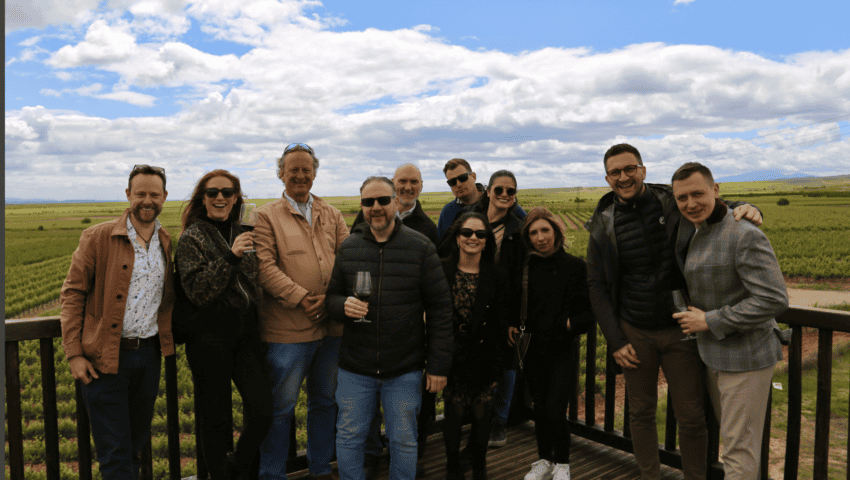
Learning shouldn’t stop when the exam ends.
Earlier this year, ten of the highest-scoring participants from a WSET (Wine & Spirit Education Trust) programme, a globally recognised wine education qualification, were rewarded with a three-day educational trip to Rioja, organised in partnership with Ellis Wines. The experience was designed to celebrate dedication while bringing classroom knowledge vividly to life, offering a unique opportunity to explore one of the world’s most iconic wine regions first-hand.
Bringing Learning to Life
Over three immersive days, the group explored vineyards, wineries and historic cellars across Rioja. The trip offered valuable insight into not only how exceptional wines are crafted, but also the complex challenges shaping the future of the industry.
One theme emerged consistently throughout the journey: sustainability and terroir.
From shifting harvest dates driven by changing climate patterns to regenerative agriculture and technological innovation, it became clear that climate change is no longer a distant concern — it is a daily reality for producers, influencing decisions both in the vineyard and the cella
First Impressions: A Landscape to Remember
Flying into Bilbao and travelling into Rioja, the group was met with dramatic skies, lush mountain landscapes and endless stretches of vineyards. The setting alone was enough to inspire.
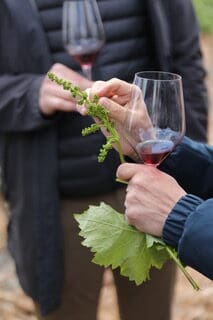
The timing of the visit added another layer of fascination. The vines were still early in their growth cycle, approaching flowering — one of the most critical stages in determining the success of the vintage. As hosts explained, the weather in the coming weeks would play a decisive role.
It was a powerful reminder that, despite technological progress, winemaking remains fundamentally tied to nature.
Fincas de Azabache: Tradition Meets Innovation
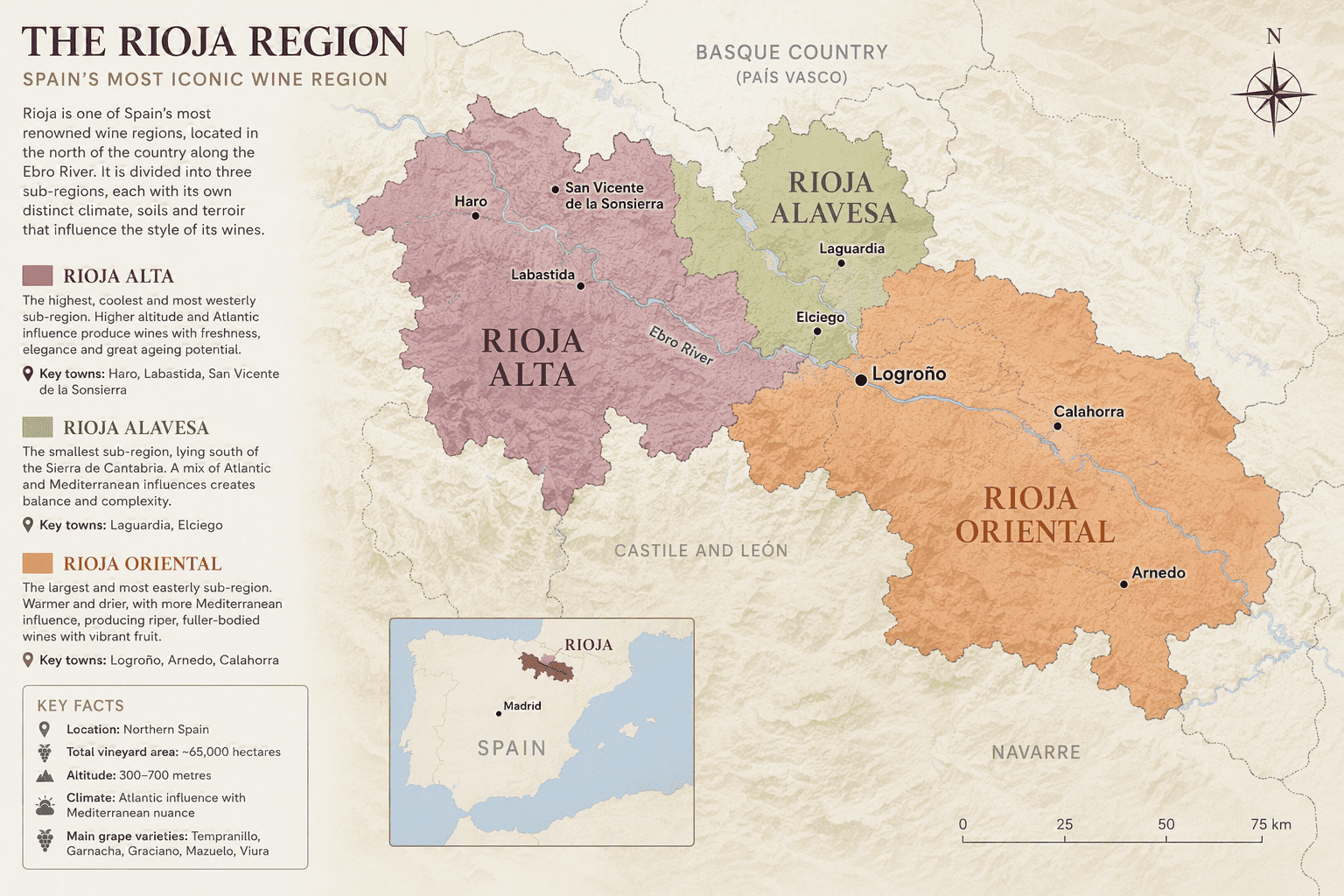
The first visit took place at Fincas de Azabache in Rioja Oriental, a winery with roots dating back to 1956.
Here, Rioja’s ability to balance heritage and modernity came to life. The original winery offered a glimpse into traditional practices, including large concrete tanks and more labour-intensive methods. In contrast, the newer, state-of-the-art facility demonstrated how technology has transformed efficiency, with the capacity to process around two million litres of wine.
With approximately 13,000 barrels on site, the scale of production was striking. Yet despite the advanced equipment, the message remained consistent: great wine begins in the vineyard, and success is still heavily dependent on nature.
Bodegas Tarón: Innovation for the Future
Next, the group travelled to Bodegas Tarón in Rioja Alta, one of the region’s coolest and highest-altitude areas.
Founded in 1966, Tarón has evolved alongside Rioja itself, moving from traditional white wines and clarete styles to a focus on high-quality reds. Thanks to its cooler climate, Rioja Alta produces wines known for their freshness, elegance and ageing potential, qualities becoming increasingly valuable as global temperatures rise.
A key highlight of this visit was the focus on regenerative agriculture. Tarón is actively exploring techniques that improve soil health, encourage biodiversity and build resilience against extreme weather. Healthier soils retain more water and support deeper root systems, helping vines adapt to changing conditions.
Discussions also covered new grape varieties and innovative winemaking techniques designed to preserve balance in a warming climate. The takeaway was clear: sustainability is not only about protecting the environment, but also about safeguarding the future of wine quality.
Marqués de Riscal: A Legacy of Excellence
The final stop was one of Rioja’s most celebrated producers, Marqués de Riscal, located in Rioja Alavesa.
Founded in 1858, the estate played a pivotal role in shaping modern Rioja by introducing Bordeaux-inspired techniques. Today, it continues to lead with a blend of heritage and cutting-edge innovation.
Across 1,500 hectares, grapes for premium wines are still harvested by hand. Visitors experienced advanced optical sorting technology, impressive fermentation facilities and extensive barrel cellars, contributing to an annual production of around six million bottles in Rioja alone.
One of the most unforgettable moments was visiting the private cellar, home to approximately 130,000 historic bottles, including rare pre-phylloxera wines. The collection offered a unique window into Rioja’s rich winemaking history.
Lessons Beyond the Glass
While the wines themselves were exceptional, the real value of the trip extended far beyond tasting.
It deepened understanding of the people, places and environmental factors behind every bottle. It also challenged perceptions of what defines a “premium” wine region, highlighting how innovation, sustainability and adaptability are becoming key indicators of quality.
What stood out most was the passion shared by everyone encountered along the way. Each conversation reflected a deep connection to the land, a respect for tradition and a commitment to future generations. It reinforced the idea that wine is more than a product. It is a reflection of culture, community and place.
Preparing for the Future
As climate change continues to reshape the wine world, hospitality professionals must evolve alongside it. Understanding these shifts is becoming just as important as understanding the wines themselves.
For the WSET graduates, the trip transformed theory into real-world insight, bringing new depth to the wines they serve and the stories they share.
A special thank you to Ellis Wines, Fincas de Azabache, Bodegas Tarón and Marqués de Riscal for their warm hospitality and generosity throughout the trip.
The group returned inspired, informed and excited to continue sharing these experiences, along with a few carefully selected bottles, with others.

More stories from our blog
5 Food trends shaping workplace dining this Autumn
October brings a familiar wave of pumpkin spice and crumbles, but this year, the trends shaping food and beverage go

Meet the Directors: welcoming new team members to BM
Starting a new job is exciting, but it can also feel a little daunting. That is why every new BM

Whole foods, UPFs and the missing nuance
Recent discussions on social media have put ultra-processed foods (UPFs) firmly in the spotlight, with many linking them to a
Jesh Bhantoo crowned BM Chef of the Year 2026
Rajeshwar ‘Jesh’ Bhantoo has been named BM Chef of the Year 2026 after impressing a judging panel that included Michelin-starred