

Blogs
The Sustainability Equation: Why Long-Term Value Beats Short-Term Cost
There is no doubt that sustainability is a concern for businesses in the 21st centaury, however, the view that sustainable solutions cause a significant financial burden is often what makes organisations hesitant to adopt them.
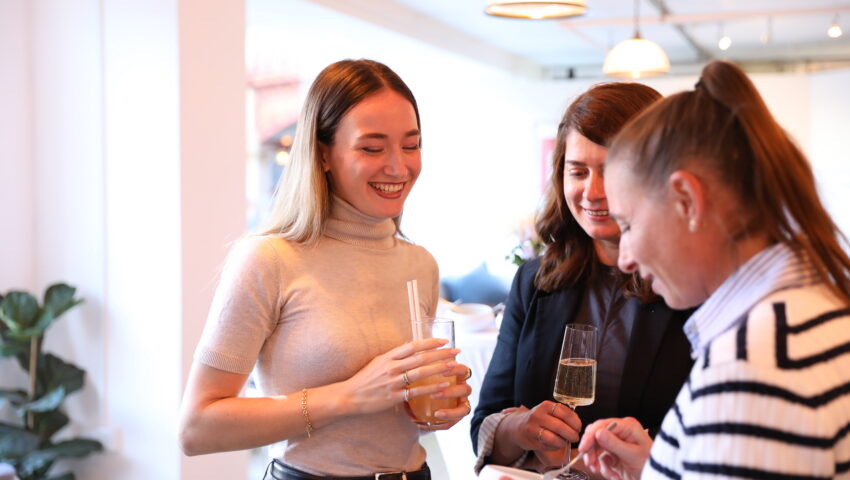
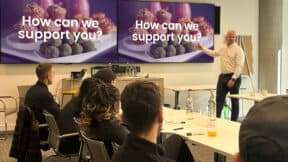
On 2 October, we hosted a session exploring how sustainability can generate lasting value and make investments worthwhile. The event took place at Nova, our social impact coffee shop and bakery based in Farringdon, with Mike Hanson, Director of Sustainable Business, exploring the various ways sustainable solutions are more than just measures to reduce reputational risk and remain compliant with legislation.
Clients attending the event had the opportunity to explore four different ways sustainability creates value and even had the opportunity to taste it for themselves (more on this to follow!).
1. Energy efficiency
Technology has revolutionised energy efficiency. Air fryers, intelligent dishwashers, smart lighting and cooling and induction stoves can all cut down on emissions and your energy bill. But they can be costly, and sometimes simple solutions are the cost-efficient no-brainer.
Switch-off procedures, keeping lids on pans and submetering (using individual meters to monitor energy or water consumption in specific areas of a building) are all straightforward ways to be less wasteful.
2. Design the menu
Sustainable food does not have a cost problem. It has a design problem. How a menu is put together can make a significant difference to both its cost and its environmental impact.
Ingredients such as beans, lentils, other pulses and whole grains offer nutrition, protein and value, helping operators reduce environmental impact while managing costs.
Sustainable eating doesn’t have to mean asking consumers to change their habits. The most successful approaches make sustainable choices the easy choices, incorporating these ingredients into familiar, appealing dishes and prioritising seasonal produce when it is naturally abundant. Being more flexible with portion sizes can also help cut food waste.
3. Circularity is a mindset
With new legislation coming in, such as the Deposit Return Scheme (DRS) and Extended Producer Responsibility (EPR), there will be a renewed focus on circular packaging solutions to reduce costs.
One of our London law firm clients has just renewed its contract with Caulibox, a company specialising in closed-loop solutions for takeaway containers.
While the initiative is quite ingenious, circularity often relies on a multitude of stakeholders, consistent and transparent communications, and labour considerations (such as ‘who will clean the reusable cups?’) to become a success.
4. Making it a shared effort
This links into our fourth key consideration: stakeholder engagement. Without buy-in from our operators, clients and customers, most sustainability initiatives are predestined to fail.
We find that education and training are crucial enabling steps to avoid backlash against initiatives that might initially cause a stir (such as removing disposable cups!).
At BM, we offer team members the opportunity to undertake a variety of sustainability training, from online courses on operational sustainability to externally awarded certifications such as the ISEP Environmental Sustainability Skills for Managers or the Level 4 Sustainability Practitioner Apprenticeship.
The ultimate case study: Savernake Park Farm
BM is putting our money where our mouth is by purchasing a plot of Savernake Park Farm, based in Marlborough. The space is dedicated to growing seasonal fruit and vegetables aligned with regenerative agriculture principles.
This is a pioneering approach to food production that focuses on restoring soil health and reducing our reliance on artificial inputs (such as pesticides and fertilisers), which can be damaging to our health and that of the planet.
These techniques can lead to long-term resilience and benefits such as increased biodiversity and flood and fire prevention, and are an important part of the future of sustainable food production.
BM clients now have the opportunity to invest in this project and receive some produce directly from Savernake Park Farm.
Better yet, the farm is already in production, and guests at the event were able to sample the first harvest, brought to our plates by Chef Director Pete Redman.
Butter lettuce, beetroot and Tickled Pink apple were some of the seasonal champions of the afternoon’s bowl food, just a taster of more to come next spring.
The Savernake Park Farm project will also engage in social impact initiatives with the local community, linking access to nature with education on food production, and the social and wellbeing benefits that both provide.
Initiatives like this are not only exciting but are grounded in a holistic understanding of what sustainability is about, both socially and environmentally, and how an upfront investment into uncharted territory (for a contract caterer!) can be a game changer.
More stories from our blog
Black Future Food: Celebrating culture while shaping the future
Food is as much about who gets a seat at the table as it is about taste. As caterers, our
How winning the BM Barista Championship took Calvin to Brazil
Planting his own coffee tree on a farm in Brazil wasn’t something Calvin ever thought he’d get the chance to
5 Food trends shaping workplace dining this Autumn
October brings a familiar wave of pumpkin spice and crumbles, but this year, the trends shaping food and beverage go
Meet the Directors: welcoming new team members to BM
Starting a new job is exciting, but it can also feel a little daunting. That is why every new BM