

Blogs
Raising the pulse: Why beans are back on the menu
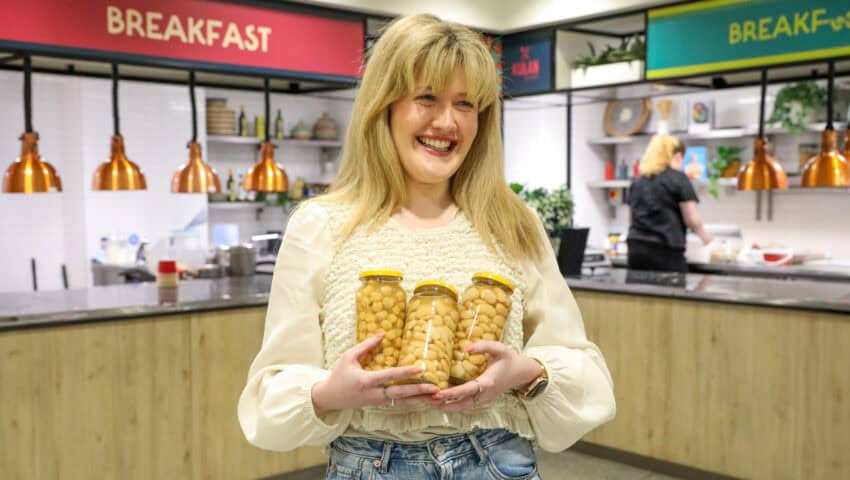
For years, protein has dominated the nutrition conversation. High-protein snacks, protein-enriched products, and “added protein” claims have been everywhere.
But recently, there’s been a quiet shift. Fibre is finally getting the attention it deserves, and with it, one humble ingredient group is making a comeback: pulses.
Beans, lentils and chickpeas might not sound like the most exciting foods at first glance, but they’re quickly becoming some of the most relevant ingredients on modern menus. Affordable, sustainable and naturally rich in fibre, pulses offer a simple way to support both health and flavour.
So, is it time we started raising the pulse a little more?
What are pulses and why now?
Pulses are dried beans, lentils and peas. They’ve been part of diets around the world for centuries, yet in the UK they’ve often been overlooked or limited to a few familiar dishes. That’s starting to change.
With most adults consuming far less than the recommended 30g of fibre per day, pulses offer an easy and accessible way to help bridge that gap. They’re also naturally low in fat, high in plant-based protein, and support gut health, making them a valuable addition to everyday meals.
Beyond nutrition, pulses align with wider food trends:
-
More plant-forward eating
-
A move away from ultra-processed foods
-
Greater focus on sustainability and cost-effective ingredients
Even national campaigns like Beans is How are encouraging people to “bang in some beans” as a simple way to improve everyday meals.
Beans: Loved by nutritionists – but what do you think?
Before diving too deeply into the benefits, I wanted to sense-check something:
How do people actually feel about beans?
I asked a small group of friends and peers (outside of the nutrition world) three simple questions:
-
What’s the first thing that comes to mind when you hear “beans”?
-
Would you choose a bean-based dish on a lunch menu?
-
Which bean would you be most likely to eat?
Here’s what they said:
“Healthy, but a bit boring. I’d eat them if they were in something like a spicy stew.”
“Comfort food. Beans on toast is elite, but I wouldn’t go for a bean salad.”
“Cheap and filling – I think of chilli.”
What stood out wasn’t resistance – it was perception.
People don’t dislike beans; they just don’t want them to feel boring.
The bean popularity ranking
Based on my very unofficial survey, here’s how different pulses ranked:
1st: Chickpeas – The clear favourite
Familiar, versatile, and strongly linked to foods people already enjoy, such as hummus, falafel and roasted snacks.
2nd: Lentils – Comforting and trusted
Often associated with soups, dahls and hearty dishes. Many people said they’d happily order lentils when part of a flavourful meal.
3rd: Butter beans – Up-and-coming
Less familiar, but people liked the idea of them in Mediterranean-style dishes.
Mid-tier:
Kidney beans, mainly associated with chilli.
Least chosen:
Black beans, less familiar unless people regularly eat Mexican-style food.
The takeaway?
It’s not about convincing people to eat beans; it’s about presenting them in a way that feels exciting, familiar and full of flavour.
Raising the pulse on the menu
So how do we move beans from “boring” to “brilliant”?
It comes down to how they’re used.
Pulses work best when they’re part of dishes people already recognise and enjoy. Rather than being the sole focus, they can enhance texture, flavour and nutrition across a range of meals.
Some simple, modern ways to incorporate them include:
-
Adding chickpeas to salads for crunch and substance
-
Using lentils to enrich sauces, soups and stews
-
Blending butter beans into dips and spreads
-
Creating balanced grain bowls with mixed pulses
-
Offering plant-forward options that feel just as satisfying as traditional choices
For workplace catering, this creates an opportunity to:
-
Increase fibre across menus
-
Reduce reliance on ultra-processed options
-
Introduce more sustainable ingredients
-
Offer dishes that are both nourishing and appealing
A small change with a big impact
Pulses might not be new, but their role in our diets is evolving. As we shift towards more balanced, fibre-rich ways of eating, they offer a practical and versatile solution that works across a variety of cuisines and settings.
And perhaps most importantly, they don’t need to feel like a “health food”.
With the right approach, beans can be flavourful, satisfying, and something people genuinely want to choose.
So next time you see them on the menu, it might be worth giving them a second look.
It could just be time to raise the pulse.
More stories from our blog

The heart of BM: Celebrating the people who make it special
Our values aren’t just words on a page, or a poster on the wall. They’re brought to life every day

Wines to celebrate the start of Spring
April marks a welcome shift in the seasons. The days grow longer, the first real warmth returns, and dining naturally

Developing the next generation of chefs with Westminster Catering College
One of the most rewarding parts of working for BM Caterers — and in contract catering — isn’t just the

Supporting opportunity through work experience with Luminary
Hospitality has always been an industry built around people. Kitchens bring together individuals from different backgrounds, experiences and cultures, all