

Blogs
International Women’s Day: My journey in hospitality
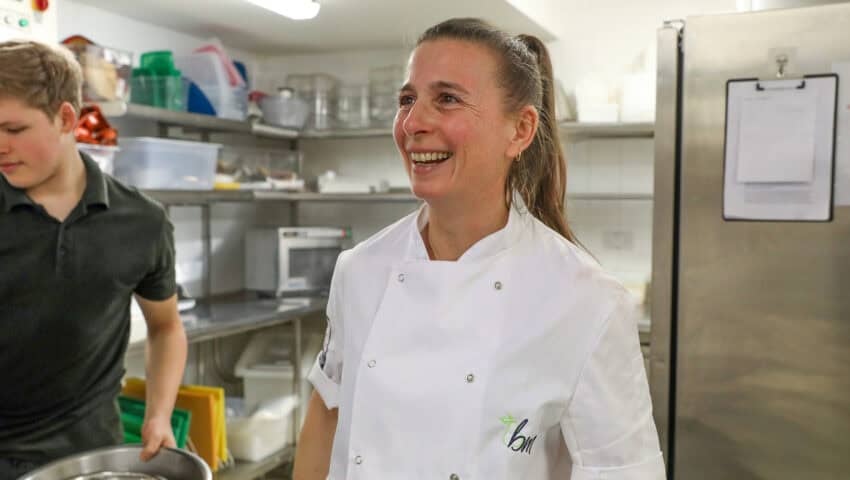
In hospitality, every career journey is different, shaped by passion, perseverance and the people we meet along the way. For Executive Chef Danielle Gilis, more than 30 years in the industry have brought both challenges and incredible opportunities. To mark International Women’s Day, Danielle reflects on her journey through hospitality, the lessons she’s learned, and the positive changes she’s seen across the industry.
I’ve been a chef for over 30 years. My career began in Michelin-starred restaurants in and around London, often as the only woman in the kitchen. It was a tough environment, but one that shaped my resilience and determination from very early on.
I’ve always been a very emotional person. I cry when I’m angry and I cry when I’m upset – so really, I’m always crying! For a long time that was seen as a weakness. But over the years I’ve come to realise it’s actually one of my strengths. It shows how much I care about what I do, and it has helped me come back stronger every time I’ve faced a challenge.
Early in my career I experienced situations in the workplace that I now recognise were not acceptable. At the time, many of us believed that behaviour like that was simply part of working in professional kitchens. Looking back, I’m proud that the industry has moved forward and that conversations around respect, inclusion and wellbeing are now much more open.
Working in kitchens has always been intense. The pressure of service, the long hours and the expectation to perform at the highest level can be overwhelming. Being one of very few women in that environment made it even more challenging, but my passion for food and a fair amount of stubbornness kept me going.
Despite the challenges, hospitality has also given me some incredible experiences. It’s an industry like no other. Unless you’ve worked in it, it’s hard to explain why we do what we do – but there’s something about the energy, the teamwork and the creativity that makes it so rewarding.
“Over the years I’ve realised that being emotional isn’t a weakness – it’s a strength. It shows how much I care about what I do, and it’s helped me come back stronger every time I’ve faced a challenge.”
A Change of direction
When my husband and I decided to start a family, I realised that the restaurant and events world would be difficult to balance with family life. That’s when I made the move into contract catering.
It was certainly a change of pace. After years in high-pressure restaurant kitchens, the structure and different style of workplace culture felt very different from what I had been used to.
Over time, however, I began to really appreciate the environment. Contract catering introduced me to a more collaborative way of working and gave me the opportunity to develop new skills, particularly around communication and leadership.
It also allowed me to continue doing what I love – creating great food and working with passionate people – while building a career that could sit alongside family life.
Looking back, the transition helped me grow not just as a chef, but as a leader. It encouraged me to move away from the defensive mindset that can develop in high-pressure kitchens and instead focus on building strong teams and positive working relationships.
Balancing work and family
Balancing a career in hospitality with raising a family can be challenging, and like many working parents I had to learn how to navigate that balance. At times I worried about asking to leave early for school pick-ups or attending events like sports days or nativity plays, as I didn’t want to disrupt the team.
My children are now 19 and 22, and looking back I’m incredibly proud of both my career and my family. Those years taught me a great deal about resilience, prioritisation and perspective – skills that have shaped the way I lead today.
It has also reinforced how important it is for workplaces to recognise that people have lives outside of work. When organisations support employees with families and understand that everyone’s circumstances are different, it creates stronger, more supportive teams.
Another thing I feel strongly about is how career breaks are sometimes viewed. Time spent raising children can appear as a “gap” on a CV, but anyone who has raised a family knows it’s far from a break. It develops resilience, organisation and leadership skills that are incredibly valuable in the workplace.
Seeing positive change
Since moving into contract catering, I’ve seen significant positive change for women in hospitality. There is far greater awareness around equality, inclusion and wellbeing, and more practical support in place.
From appropriate workplace facilities to conversations around menopause and flexible working, the industry is gradually becoming more supportive and inclusive. Importantly, women are also being seen and heard more as leaders.
There is still progress to be made, but it’s encouraging to see the direction the industry is moving in. The culture is evolving, and that benefits everyone working within it.
“Hospitality is a unique industry – unless you’ve worked in it, it’s hard to explain why we do what we do. But the teamwork, creativity and energy make it incredibly rewarding.”
Leading as an executive chef
Today I’m proud to hold the role of Executive Chef – a position you still don’t see many women in across the industry.
One of the things that has genuinely stood out to me in this role is the respect and support I’ve received from my colleagues. I’ve never felt that being a woman has prevented me from doing my job or leading a team.
For me, the future of hospitality is about creating an equal culture where everyone feels respected and valued. It’s about working together, supporting each other and recognising that diversity makes teams stronger.
There is no “I” in teamwork – and when we bring people together, we can achieve amazing things.
This International Women’s Day, we celebrate the incredible women across our industry and within BM Caterers who continue to inspire, lead and shape the future of hospitality.
More stories from our blog

Wines to celebrate the start of Spring
April marks a welcome shift in the seasons. The days grow longer, the first real warmth returns, and dining naturally
Developing the next generation of chefs with Westminster Catering College
One of the most rewarding parts of working for BM Caterers — and in contract catering — isn’t just the
Supporting opportunity through work experience with Luminary
Hospitality has always been an industry built around people. Kitchens bring together individuals from different backgrounds, experiences and cultures, all
Why ethical supply chains matter in modern contract catering
As chefs, we often focus on developing dishes and menus, but investing time in people — and where our food