

Recipes
Moussaka
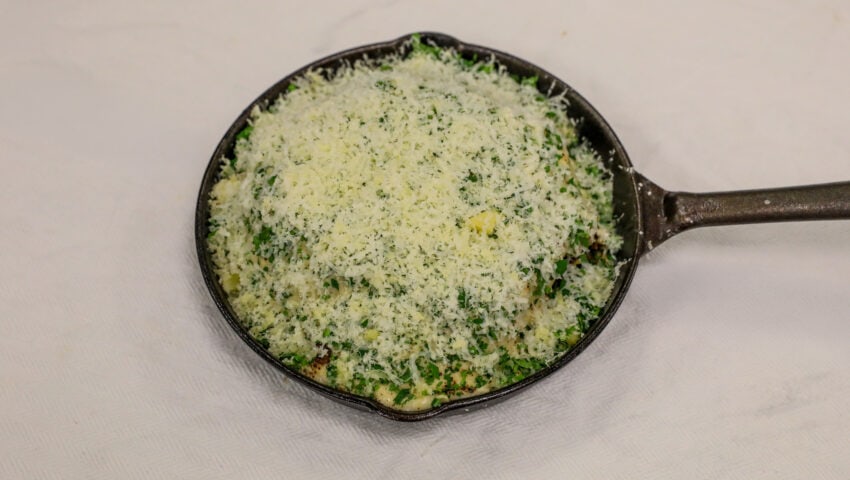
There’s nothing quite like a moussaka when it’s done properly. It’s a dish that takes a little time, but it’s worth it. This isn’t a traditional Greek recipe, but every layer is packed with flavour and texture. With crispy aubergine, fried Ratte potatoes, beef ragu and a silky béchamel, it’s bold, rich, and comforting.
Serves
6–8
Ingredients
For the crispy aubergine
-
1 large aubergine
-
100g plain flour (or gluten-free alternative)
-
3 eggs (or aquafaba for vegan option)
-
150g panko breadcrumbs (or gluten-free panko or breadcrumbs)
-
Salt
-
Rapeseed oil, for shallow frying
For the potatoes
-
800g waxy potatoes (Ratte, Pink Fir or similar)
-
2 garlic cloves, crushed
-
1 sprig rosemary
-
Pinch chilli flakes
-
Salt and cracked black pepper
-
Rapeseed oil
For the beef ragu
-
750g beef mince (15–20% fat)
-
2 tbsp olive oil
-
1 large onion, finely chopped
-
2 carrots, finely chopped or grated
-
2 sticks celery, finely chopped
-
3 garlic cloves, minced
-
2 tbsp tomato purée
-
200g chopped tomatoes (or passata)
-
1 litre vegetable stock
-
100ml red wine
-
1 tbsp red wine vinegar or sherry vinegar
-
3 bay leaves
-
½ cinnamon stick
-
1 tsp dried oregano
-
1 tsp thyme
-
1 tsp Espelette pepper or Aleppo pepper
-
1 tsp cracked black pepper
-
1–2 tbsp brown sugar
-
Salt and cracked black pepper, to taste
For the béchamel
-
50g butter
-
50g plain flour
-
700ml whole milk
-
100g mature cheddar, grated
-
1 tsp Dijon mustard
-
Pinch nutmeg
-
1 tsp white wine vinegar
-
Dash Worcestershire sauce
-
Few drops Tabasco (optional)
-
Salt and pepper
To finish
-
40g aged Parmesan, finely grated
-
Small handful chives, chopped
-
Small handful parsley, chopped
Method
Prepare the aubergine
Peel the aubergine in stripes, leaving some skin on.
Roast the aubergine whole at 200°C (fan 180°C) for 30–35 minutes, or until tender but still holding its shape.
It should be around 90% cooked.
Once cooked, flatten the aubergine so it remains whole, but there is an even surface to pane and fry.
Season with salt, then coat the aubergine in flour.
Shake off any excess flour, then coat in egg, followed by the breadcrumbs.
Shallow fry in rapeseed oil (about 1cm deep) over a medium heat until golden and crispy. Set aside.
Cook the potatoes
Boil whole potatoes in salted water with garlic and herbs for 20–25 minutes, until just tender.
Drain and allow to steam dry.
Crush the potatoes gently. They should hold their shape but have a flat surface.
Add rapeseed oil to a hot pan and add the crushed potatoes.
Once the potatoes are frying, add garlic, rosemary and chilli flakes, and fry together until the potatoes are crispy and golden.
These can be enjoyed alone or with other dishes.
For the moussaka, season them and set aside.
Make the beef ragu
Heat olive oil in a large pot and brown the mince well, breaking it up.
Season with salt after it starts to brown to help draw out moisture and build colour.
Do not add the salt at the beginning as this will cause the beef to sweat and not caramelise.
Once browned, remove the mince from the pot and set aside.
Add olive oil, onion, carrot, celery and garlic to the pot the mince was cooked in.
Wait for the vegetables to soften slightly and then deglaze with a splash of water and red wine or sherry vinegar.
Scrape the bottom of the pot to get all the flavour.
Once most of the liquid has evaporated and the vegetables have started to caramelise, add tomato purée and cook for 1–2 minutes to add another layer of caramelisation.
Deglaze with the red wine and scrape the bottom of the pan once more.
Add the vegetable stock, chopped tomatoes, herbs, peppers, bay leaves and cinnamon stick.
Add brown sugar and simmer gently for about an hour.
Skim the top as needed and stir occasionally.
Once the sauce has reduced (it should be drier than a bolognese), remove the bay leaves and cinnamon stick.
Adjust the seasoning to taste.
Make the béchamel
Melt butter over a medium heat, then stir in flour to form a roux.
Cook until lightly golden.
Gradually whisk in warm milk until smooth.
Simmer gently, whisking, until thickened.
Season with salt, pepper and nutmeg.
Stir through Dijon mustard, cheddar, Worcestershire sauce, Tabasco and white wine vinegar.
Cook until smooth and glossy, then cool slightly (this helps with layering).
Assemble
In a large ovenproof dish or cast iron pan:
Layer crispy aubergine on the bottom
Add a layer of the crushed, crispy potatoes
Spoon over the beef ragu so the potatoes are covered
Finish with a generous layer of béchamel.
You can add the cold béchamel to a piping bag or spoon it over.
Bake and finish
Bake at 220°C (fan 200°C) for 5–10 minutes, just to colour the top.
Finish with grated Parmesan, chopped herbs (we used parsley and chives), and a crack of black pepper.
More mouthwatering recipes
5 Food trends shaping workplace dining this Autumn
October brings a familiar wave of pumpkin spice and crumbles, but this year, the trends shaping food and beverage go

Meet the Directors: welcoming new team members to BM
Starting a new job is exciting, but it can also feel a little daunting. That is why every new BM

Whole foods, UPFs and the missing nuance
Recent discussions on social media have put ultra-processed foods (UPFs) firmly in the spotlight, with many linking them to a

Jesh Bhantoo crowned BM Chef of the Year 2026
Rajeshwar ‘Jesh’ Bhantoo has been named BM Chef of the Year 2026 after impressing a judging panel that included Michelin-starred