

Blogs
Why ethical supply chains matter in modern contract catering
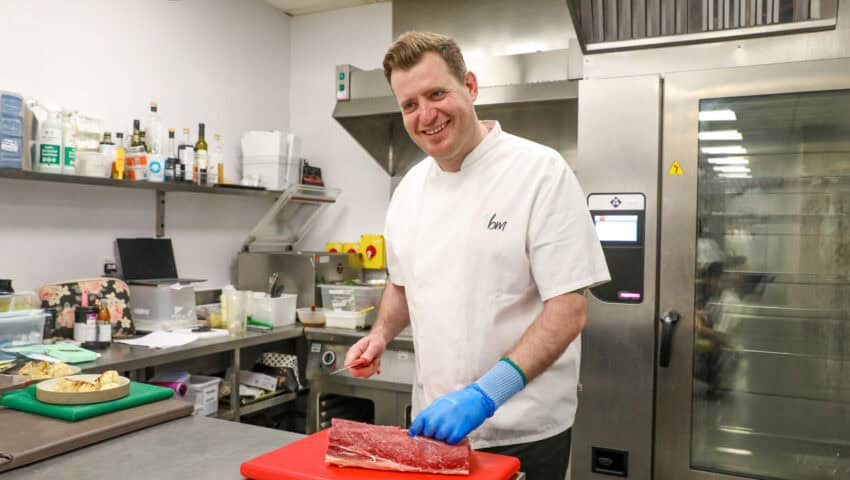
As chefs, we often focus on developing dishes and menus, but investing time in people — and where our food comes from — is just as important.
The choices we make don’t start in the kitchen. They start with the suppliers we work with.
Within my role at BM Caterers, developing an ethical and responsible supply chain has become something I place real emphasis on when making purchasing decisions and writing menus.
In our kitchen, we serve hundreds of meals every day. That means the sourcing choices we make have a genuine impact. We work with suppliers who prioritise responsible farming, sustainable fishing and transparent sourcing to ensure our ingredients respect both the environment and the people behind them.
Working with Responsible Suppliers
We work closely with Lake District Farmers, a farmer-owned cooperative committed to high welfare standards and sustainable farming practices
Working with producers like this allows us to serve meat where we know exactly where it has come from and how it has been raised.
Lake District Farmers are also pioneers in regenerative farming, working closely with universities on areas such as carbon capture, while maintaining strong values around animal welfare and reducing environmental impact.
For me, ethical sourcing is about more than simply choosing the right products. It’s about understanding where ingredients come from and building relationships with suppliers who share the same standards and values.
Meeting Changing Expectations
In B&I dining, guests increasingly want to know where their food comes from.
Part of my role as a chef is making sure the menus we create reflect those expectations, while still delivering the quality and consistency our customers rely on every day.
Ethical sourcing also tends to lead to better ingredients. Meat sourced from responsible producers, seasonal produce grown with care and transparent supply chains all contribute to stronger flavour and higher-quality dishes.
Balancing Quality, Cost and Responsibility
Of course, this requires balance.
We need to manage costs, maintain consistency and deliver food efficiently across a busy service. But responsible sourcing doesn’t have to conflict with those goals. In many ways, it strengthens them — helping us create menus that are both thoughtful and sustainable.
A Chef’s Responsibility
Ultimately, chefs sit in a unique position within the food system.
The decisions we make influence not only what people eat, but also how that food is produced.
By making conscious choices about the suppliers we work with, we can ensure the food we serve reflects not only good cooking, but responsible leadership within the industry.
More stories from our blog

Developing the next generation of chefs with Westminster Catering College
One of the most rewarding parts of working for BM Caterers — and in contract catering — isn’t just the

Supporting opportunity through work experience with Luminary
Hospitality has always been an industry built around people. Kitchens bring together individuals from different backgrounds, experiences and cultures, all

From our kitchens: Introducing Gareth Ruck
At BM Caterers, some of the most important leadership happens in our kitchens. While our senior team sets direction, it’s

Living beyond the label: My journey with Epilepsy
Age brings perspective. I find myself caring less about the small things and more about what truly matters, like helping